

Maximizing Efficiency with MFT Arm Clamp
How to Optimize Your Workflow Using an MFT Arm Clamp
Find everything you need for your woodworking projects with our vast selection of high-quality tools at Woodworking Toolstore
Browse Products
How to Optimize Your Workflow Using an MFT Arm Clamp
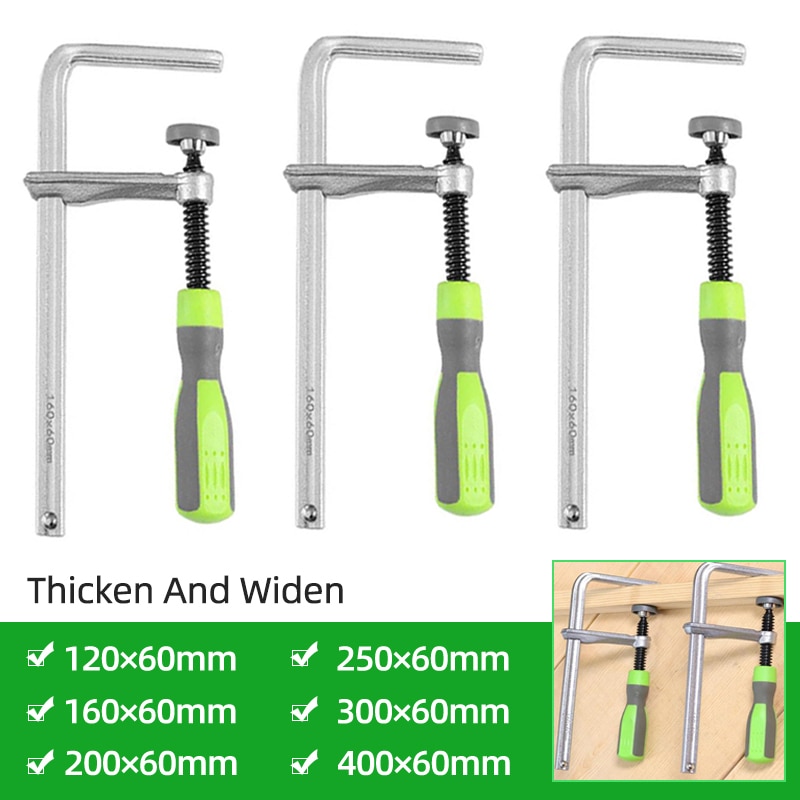
Effortlessly Secure Your Wood Projects using Action Arm Clamp
Effortlessly Secure Your Woodworking Materials with the Action Arm Clamp for Your MFT Table
Check out our best offers and discounts on top-quality items. Our offers change regularly, so make sure you don't miss out!
View Special OffersThe low prices gave me pause at first, but the process went seamlessly. The amount I saved compared to other shops was amazing!
Nicole Goodwin, Hamilton, New Zealand
Your store was suggested to me by a friend and I can't express how satisfied I am. Kudos for your excellent service.
Genesis Pollich, Barcelona, Spain
I was a tad doubtful due to the extremely low prices, but everything ran like clockwork. The savings compared to other retailers were astonishing!
Lloyd Morar, Florence, Italy